
शेंगदाणा तेलाला भुईमूग तेल असेही म्हणतात. हे भुईमूगाच्या बियांपासून काढले जाणारे वनस्पतीजन्य तेल आहे, जे…





Choosing between Groundnut Oil and Sunflower Oil can be tricky. Many people want to use cooking oils that help with heart health, taste good, and work for different recipes. Sometimes it is hard to know which oil has the best fat composition or flavor enhancement.
Did you know Groundnut Oil contains more monounsaturated fats while Sunflower Oil has a higher amount of polyunsaturated fats? These facts change how each oil supports your health and fits into light dishes or fried foods.
This post gives you a clear comparison of both oils. You will see their nutritional profile, vitamin content, smoke point levels, flavor profiles, common culinary uses, and even price differences.
Keep reading to learn which oil is better for your kitchen!
Groundnut oil and sunflower oil each offer unique health benefits. Groundnut oil boasts a rich supply of nutrients, while sunflower oil is packed with vitamins that support overall wellness.
Groundnut oil and sunflower oil both offer unique nutritional profiles. Groundnut oil contains more monounsaturated fats, making it heart-healthy. It has about 50% oleic acid, which helps reduce bad cholesterol levels.
Sunflower oil is rich in polyunsaturated fats and provides a good amount of vitamin E, an important antioxidant.
The fat composition in each oil varies significantly. Groundnut oil has a high smoke point of around 450°F, making it suitable for frying dishes like tempura or chicken wings. In contrast, sunflower oil also boasts a high smoke point but leans towards lighter cooking methods such as sautéing vegetables or drizzling over salads to enhance flavor.
Both oils provide essential fatty acids that support overall health; however, their different profiles may cater to varied dietary considerations.
Sunflower oil packs a punch with high amounts of vitamin E. This vitamin acts as an antioxidant and supports heart health. Groundnut oil also contains valuable vitamins, though it has less vitamin E compared to sunflower oil.
Both oils contribute essential fatty acids while providing different benefits in cooking.
Using these oils can enhance the flavor of fried dishes and light dishes alike. The varying nutritional profiles allow cooks to choose wisely based on their needs. Different types of cooking will benefit from the unique qualities each oil brings to the table.
Now, let’s explore how they compare in terms of ideal use for each oil.
Groundnut oil and sunflower oil both play important roles in heart health. They contain essential fatty acids, which are crucial for maintaining our bodies. Groundnut oil has a higher ratio of monounsaturated fats, while sunflower oil boasts more polyunsaturated fats.
Monounsaturated fats can help lower bad cholesterol levels.
In cooking, these oils bring different benefits to the table. Groundnut oil works well for frying dishes due to its high smoke point and great flavor enhancement. Sunflower oil suits light dishes and salad dressings better because it complements delicate flavors without overpowering them.
The choice between these two cooking oils depends on your recipe needs and health goals.
Groundnut oil has a rich, nutty flavor that enhances fried dishes well. Sunflower oil, on the other hand, offers a lighter taste suitable for both frying and baking.
Groundnut oil shines in frying and roasting. Its high smoke point makes it perfect for these methods. Use it when preparing fried dishes like crispy pakoras or stir-fried vegetables.
Groundnut oil enhances the flavor of heavier foods, bringing out rich tastes.
Sunflower oil works well for light dishes and salad dressings. Its mild flavor complements many ingredients without overpowering them. This oil also suits baking needs due to its nutritional profile, especially when making muffins or cakes.
Both oils offer versatility in cooking, yet their ideal uses depend on the dish you prepare.
Transitioning from ideal uses, each oil offers unique nutritional advantages based on cooking methods. Sunflower oil shines in high-heat frying due to its high smoke point. This feature helps retain the oil’s nutritional profile.
It has beneficial polyunsaturated fats, which promote heart health.
Groundnut oil brings a rich flavor to stir-fried dishes and sautés. Chefs often recommend it for light dishes because of its nutty taste. The fat composition supports healthy cooking without overwhelming other flavors.
Both oils enhance meals while offering distinct health benefits based on how you use them.
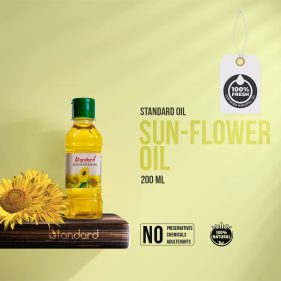
Cold Pressed Sunflower Oil – 100% Pure & Perfect Unrefined Cooking Oil for Healthy Heart - 200 ml
If you are wondering where to buy groundnut oil and sunflower oil, it’s important to compare them first in terms of health, taste, and cooking benefits. Groundnut oil is known for its rich nutty flavor and heart-healthy fats, making it ideal for deep-frying and traditional Indian recipes. Sunflower oil, on the other hand, is lighter with a neutral taste and is often preferred for sautéing and everyday cooking due to its high vitamin E content. . Choosing between them depends on your cooking needs, health preferences, and flavor choice.
Groundnut oil contains more monounsaturated fats, while sunflower oil has higher polyunsaturated fats. This affects their nutritional profile and heart health benefits.
Groundnut oil offers a nutty taste that enhances fried dishes, while sunflower oil gives a lighter flavor suitable for light dishes or recipes where you want subtle taste.
Both oils have high smoke points; however, groundnut oil’s smoke point is slightly higher, making it better for deep frying and stir-frying.
Yes; sunflower oil provides more essential fatty acids such as linoleic acid compared to groundnut oil due to its fat content from extraction methods.
Sunflower and groundnut oils both support heart health when used moderately because of their unsaturated fat composition and favorable nutritional profiles among common cooking oils.