
Finding the Right Cooking Oil: Why Wood-Pressed Oils Stand Out Finding the right cooking oil…




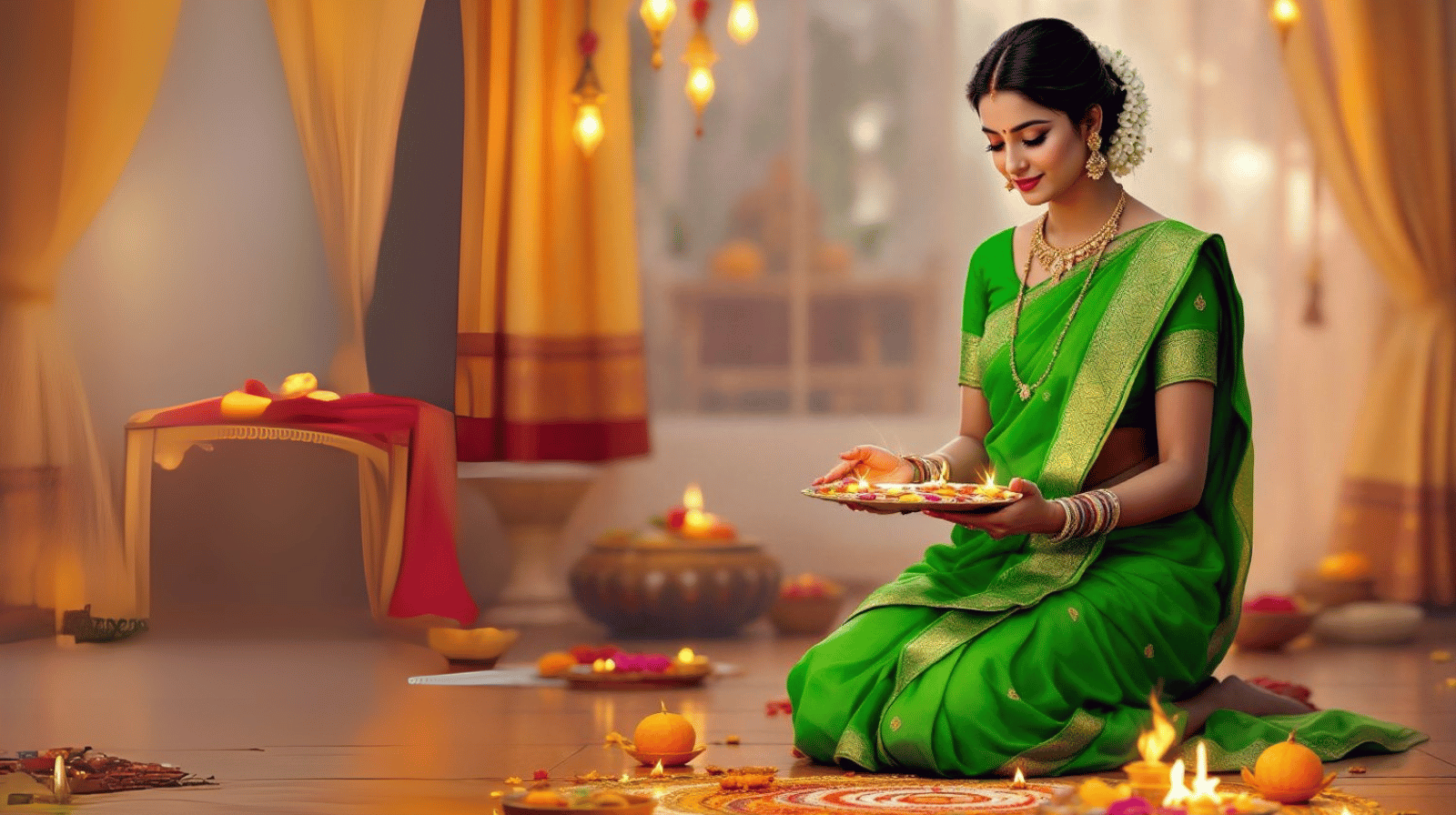
Diwali and Ayudha Pooja are special times at home. Many families light lamps, but some wonder why cow ghee is used instead of oil or wax. Maybe you’ve even heard someone ask if the type of ghee matters for these rituals.
Here’s a fact to keep in mind: Ghee is not just cooking fat; it has been part of Hindu rituals since ancient times. Priests and elders use cow ghee in lamps because it stands for purity and brings blessings.
In this blog post, you will learn why ghee holds a sacred place during Diwali and Ayudha Pooja. We’ll see how its spiritual role connects with old traditions, science, health, and family stories too. You might find answers that surprise you!
Lighting lamps during Diwali and Ayudha Pooja chases away darkness and fills homes with hope. This simple act brings families together in celebration, creating a feeling of warmth and belonging.
Light shows victory over darkness in Hindu celebrations. People see the small flame as a sign of hope and clarity during Diwali and Ayudha Pooja. Lamps shine to guide families through tough times, reminding everyone that goodness always wins over evil.
Communities gather each year, passing this tradition from elders to youngsters. The glow signals both celebration and reverence.
Lamps burn with cow ghee for more than just beauty. Their brightness marks purity in rituals and honors sacred customs shaped over generations. Ancient stories link light with knowledge and enlightenment, much like teachers guiding students or parents teaching values at home.
Even today, festivals use lamp ceremonies to connect faith, spirituality, and cultural pride. The role of lamps goes further in spiritual rituals tied closely to these traditions.
The symbolism of light connects deeply with the Role lamps play in spiritual rituals. During Diwali, people light lamps to symbolize victory over darkness and ignorance. This act represents enlightenment and knowledge, which holds great importance in Hindu culture. Each lamp glows brightly, spreading joy and hope throughout homes.
During Ayudha Pooja, individuals also use lamps to seek blessings for their tools and implements. The glow of these lamps invokes prosperity while enhancing the spirit of tradition during celebrations.
Lighting a lamp is not just about illumination; it signifies a deeper connection to spirituality and community values. Every flicker reminds worshippers of the divine presence during important festivals like Diwali and Ayudha Pooja.
Cow ghee holds a special place in rituals. Its purity enhances the spiritual atmosphere while lighting lamps during festivals.
Purity holds great importance in rituals. It signifies the respect we show to our deities and sacred traditions. Using pure ingredients, like cow ghee for lighting lamps, elevates the quality of worship.
This emphasis on purity symbolizes light overcoming darkness and good prevailing over evil.
During Ayudha Pooja, people use cow ghee to honor tools and weapons. They regard these items as essential parts of their lives. The bilona method of making cow ghee ensures a higher standard of quality for religious ceremonies.
Such practices reinforce deep-rooted values in Hindu culture that celebrate cleanliness and spirituality. Next up, let’s explore the significance of lighting lamps during Diwali and Ayudha Pooja!
Cow ghee holds a special place in Hindu culture. People use it for lighting lamps during festivals like Diwali and Ayudha Pooja. This tradition symbolizes the triumph of light over darkness and good over evil.
During Diwali, cow ghee becomes essential as families celebrate knowledge and joy. In Ayudha Pooja, it honors tools and implements with bright, ceremonial lamps.
The preparation method also adds to its importance. The traditional bilona method creates ghee of higher quality and purity, vital for rituals. These sacred practices have roots that reach deep into ancient scriptures and texts, where cow ghee represents a connection to spiritual traditions passed down through generations.
It enhances not just the physical environment but also boosts the spiritual atmosphere during rituals; many believe this practice purifies their surroundings while invoking divine blessings.
Light brings hope in our lives; using cow ghee in rituals adds to that symbolism of brightness. More than just a food item, it sustains cultural heritage by linking us to our roots while enriching modern celebrations during festivals and poojas. Spiritual Benefits of Using Cow Ghee Using cow ghee in rituals can enhance your energy and aura. It acts as a channel for invoking divine blessings, making your spiritual practices more potent.
Cow ghee plays a vital role in enhancing positive energy and aura. It purifies the environment and helps clear the mind. When people light cow ghee lamps during Diwali, they symbolize victory over darkness.
This act promotes positivity and fills spaces with good vibes.
During Ayudha Pooja, using cow ghee honors tools while energizing the surroundings. The purity of cow ghee comes from the bilona method, which adds to its spiritual value. Rich in butyrate, it also supports digestive health.
Overall well-being links closely with this healthy fat, making rituals even more meaningful.
Lighting a lamp with cow ghee during festivals like Diwali and Ayudha Pooja invites divine blessings. This practice symbolizes the victory of light over darkness. It enhances spiritual connectivity and emphasizes respect for tools used in rituals.
The traditional bilona method ensures purity in cow ghee, making it especially revered for rituals. People believe that using this sacred substance purifies both the environment and the mind. This creates an atmosphere conducive to receiving positive energy and blessings from above.
Cow ghee boasts a unique composition that makes it pure and nourishing. Ayurveda highlights its air-purifying qualities, which benefit both body and mind.
Ghee is a staple in many kitchens, but not all ghee is created equal. This clarified butter comes from cows and follows the bilona method for production. This process ensures high quality and purity, making it a favorite choice for spiritual rituals. Cow ghee contains negligible amounts of lactose and casein, which makes it suitable for people with lactose intolerance or milk allergies. Nutritionally, cow ghee packs a punch. It consists mainly of fat, with about 62% being saturated fats. Its cholesterol levels range from 252 to 284 mg per 100 grams. Ghee also boasts high levels of butyrate, which aids digestive health while offering anti-inflammatory benefits. The combination of these elements makes cow ghee a valuable addition to both cooking and spiritual practices.
Cow ghee has impressive air-purifying properties. It helps cleanse the air, making spaces feel fresher and lighter. Many people believe that burning cow ghee lamps during rituals enhances this effect. The gentle aroma spreads throughout the room, creating a calming atmosphere. Ayurvedic medicine recognizes these benefits as well. The unique composition of cow ghee contains fatty acids that contribute positively to our health and environment. In traditional remedies, it acts as a natural healer for both body and soul. Using it in festivals honors tradition and boosts wellness practices in homes everywhere. Cultural and Historical Relevance Cow ghee has deep roots in our culture. Ancient texts reveal how people revered it for its purity and spiritual power during rituals.
Ancient texts celebrate cow ghee as a sacred ingredient. These scriptures emphasize its purity and spiritual significance. They describe how sages used ghee in rituals and offerings. The Vedas, one of the oldest Hindu texts, mention ghee’s role in yajnas, or fire sacrifices. Cow ghee represents nourishment for both body and spirit. Scholars believe it carries the essence of life itself. Historical records show that families passed down traditions involving cow ghee through generations.
Rituals often included lighting lamps with this revered substance during important festivals like Diwali and Ayudha Pooja.Using cow ghee connects people to their roots while honoring ancient customs. In many households today, it remains an essential part of festive celebrations and worship practices across India. This link to history adds depth to every ritual practiced even now.
Cow ghee has a rich tradition in Hindu rituals. Families have passed down the practice of using cow ghee to light lamps during Diwali and Ayudha Pooja for generations. This act symbolizes the victory of light over darkness, good over evil. It’s a cherished part of the Festival of Lights that dates back centuries. The bilona method plays a crucial role in ensuring the quality of cow ghee. Families pass down this technique, maintaining its purity and taste through time.
In various communities, people share beliefs about the health benefits of cow ghee as well. These cultural practices connect families and create lasting memories during celebrations. Using cow ghee also shows respect for tools during Ayudha Pooja, honoring their role in everyday life. As traditions continue to thrive today, they keep alive generational knowledge about nutrition and spirituality within families. The next section will explore the significance of lighting lamps during these festive times.
When choosing cow ghee for your rituals, prioritize purity and quality. Look for labels that confirm it’s unadulterated and sourced from healthy cows.
Pure and unadulterated cow ghee carries immense importance in rituals. It plays a vital role in creating an atmosphere of purity during ceremonies. For example, lab-tested cow ghee meets strict purity standards.
This guarantees health benefits while avoiding harmful trans fats. Many believe that using pure ghee enhances the sanctity of spiritual practices.
Health benefits include digestive support and anti-inflammatory properties. People have enjoyed these advantages for generations, often relying on traditional methods like the bilona technique for preparation.
Cow ghee has become essential not just for religious rituals but also as a dietary staple in many homes today.
Choosing the right cow ghee can feel overwhelming. Authentic cow ghee often comes from the bilona method, which ensures higher quality and purity. This traditional preparation process uses curd and churns it to create that golden goodness you want in your rituals.
Not all ghee is created equal, so look for lab-tested products. They guarantee adherence to quality standards.
Recognizing authentic cow ghee products involves checking labels carefully. Seek out pure and unadulterated options; these are best for your spiritual practices. Grassfed dairy offers some of the richest flavors and health benefits too.
Authenticity matters not just for taste but also for nutritional value during pujas or festivals. The growing demand shows how much people appreciate good-quality cow ghee today!
Cow ghee still holds its ground in today’s rituals. People light lamps with it during festivals and poojas, honoring traditions that span generations.
Cow ghee holds a special place in Hindu culture. Its use during festivals like Diwali highlights its ongoing importance in rituals and celebrations. People light lamps with cow ghee to symbolize the victory of light over darkness.
This act reflects deep spiritual beliefs, celebrating knowledge and enlightenment.
During Ayudha Pooja, devotees honor their tools by lighting ceremonial lamps filled with pure cow ghee. Generations have passed down this practice, showcasing the sacredness and purity that cow ghee brings to rituals.
Both dietary uses and religious traditions show how significant it remains in modern festivities and poojas.
Cow ghee plays a key role in preserving cultural heritage, especially during festivals like Diwali and Ayudha Pooja. Hindus consider it sacred and use it to light lamps in rituals that symbolize the victory of light over darkness.
This practice reflects deep-rooted traditions that date back centuries, showcasing values tied to spirituality and celebration.
Using cow ghee connects people across generations. Families pass down this custom, ensuring younger members appreciate their culture and history. The bilona method for preparing cow ghee keeps its purity intact, emphasizing the importance of maintaining these cherished practices today.
Understanding its significance adds depth to our celebrations. Now let’s explore how to choose the right cow ghee for these important rituals.

Cow Ghee/ பசு நெய் / ಹಸು ತುಪ್ಪ / ఆవు నెయ్యి / गाय घी / പശു നെയ്യ് - 100 ml
Lighting lamps with cow ghee during Diwali and Ayudha Pooja holds deep significance. It symbolizes the triumph of light over darkness, promoting positivity and blessings in our lives.
Using cow ghee is straightforward; it enhances rituals while connecting us to sacred traditions. This practice enriches our celebrations and strengthens our cultural ties. As you prepare for these festivals, reflect on how you can incorporate cow ghee into your own rituals; every little act adds meaning to this beautiful tradition.
Cow ghee is considered sacred because it symbolizes purity and devotion. Lighting lamps with it creates a warm, inviting atmosphere that enhances the festive spirit of Diwali.
During Ayudha Pooja, cow ghee represents respect for tools and instruments we use daily. It adds a spiritual touch to the rituals, making them more meaningful.
While you can use other oils, they don’t carry the same significance as cow ghee. Cow ghee has cultural roots that connect deeply with tradition; it brings blessings and positivity into your home.
Lighting a lamp with cow ghee fills the space with warmth and light. The aroma also uplifts spirits; it’s like having sunshine indoors on festive days!