


Save ₹17
(Incl. GST)


You know the breakfast problem: you want something fast, but most breakfast cereals push you toward added sugar and highly processed grains.
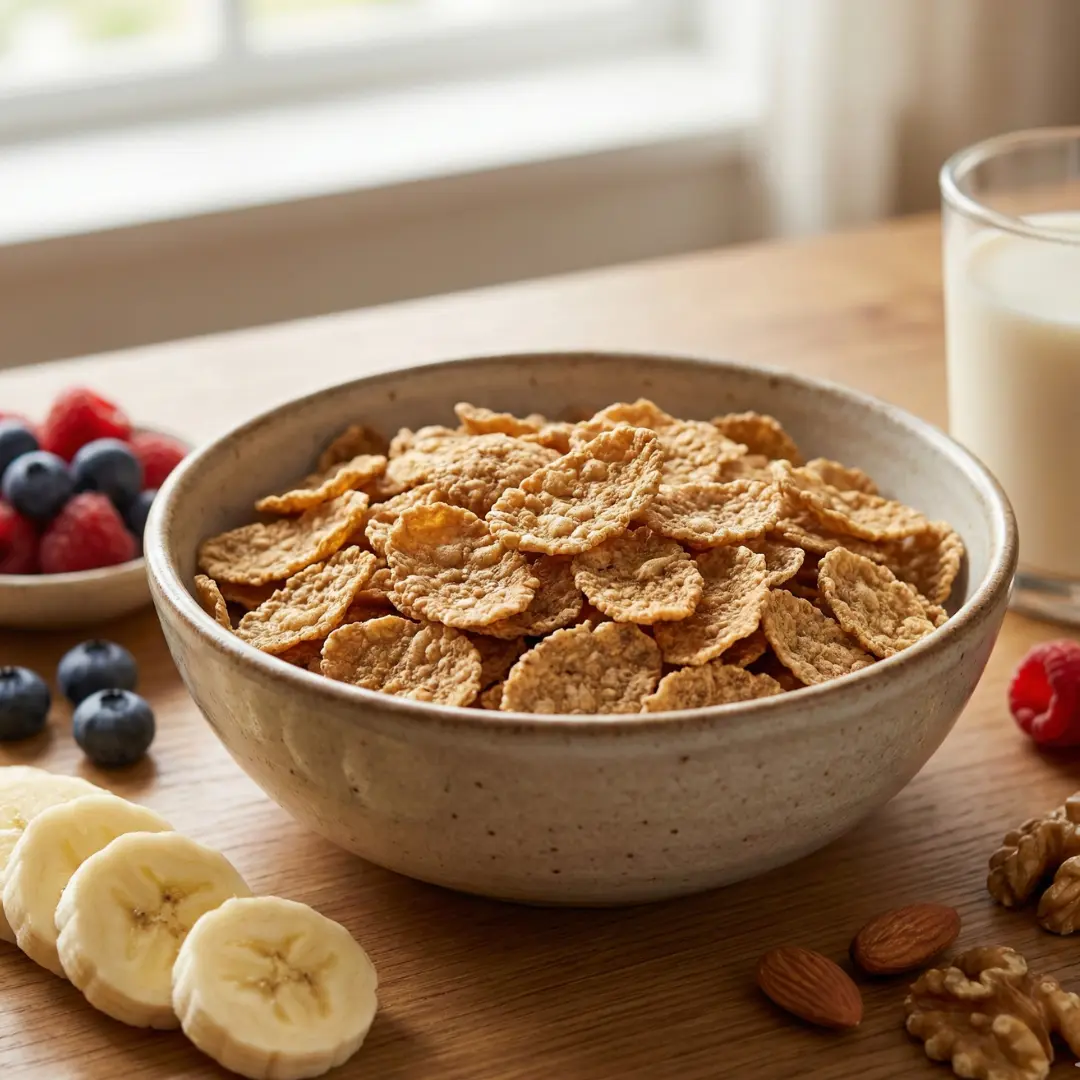
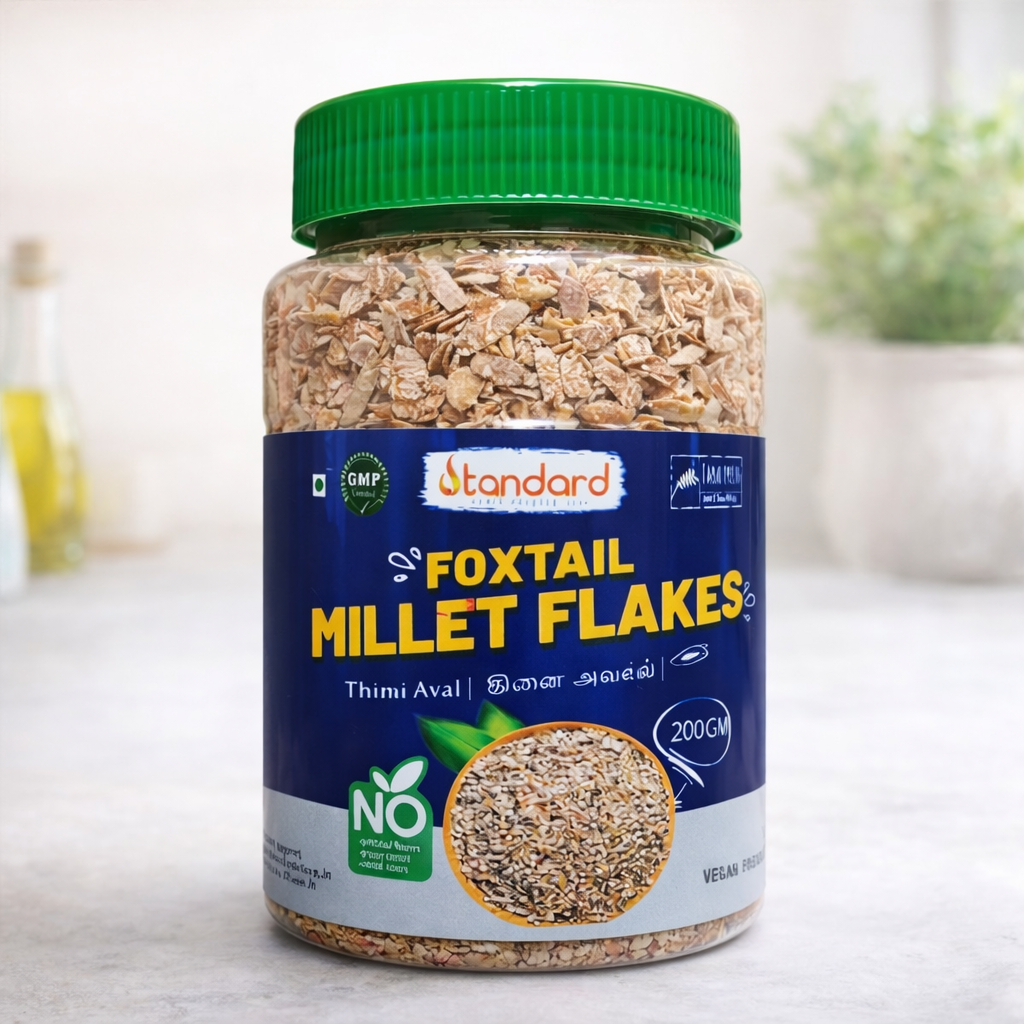
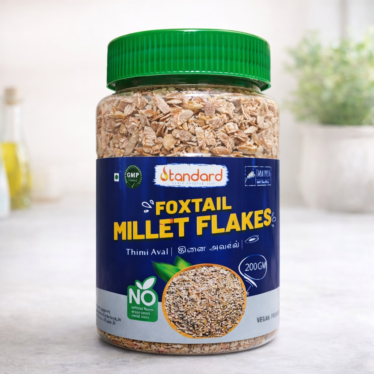
Foxtail millet flakes (Thinai Avul, also called Thinai Aval) are a practical swap. You can turn them into porridges, overnight oats, or a quick foxtail millet poha in minutes.
This page covers the nutritionals that matter, the easiest prep methods, and the storage habits that keep your flakes crisp.
You will also see a clear comparison with other millet flakes, so you can pick what fits your goals.
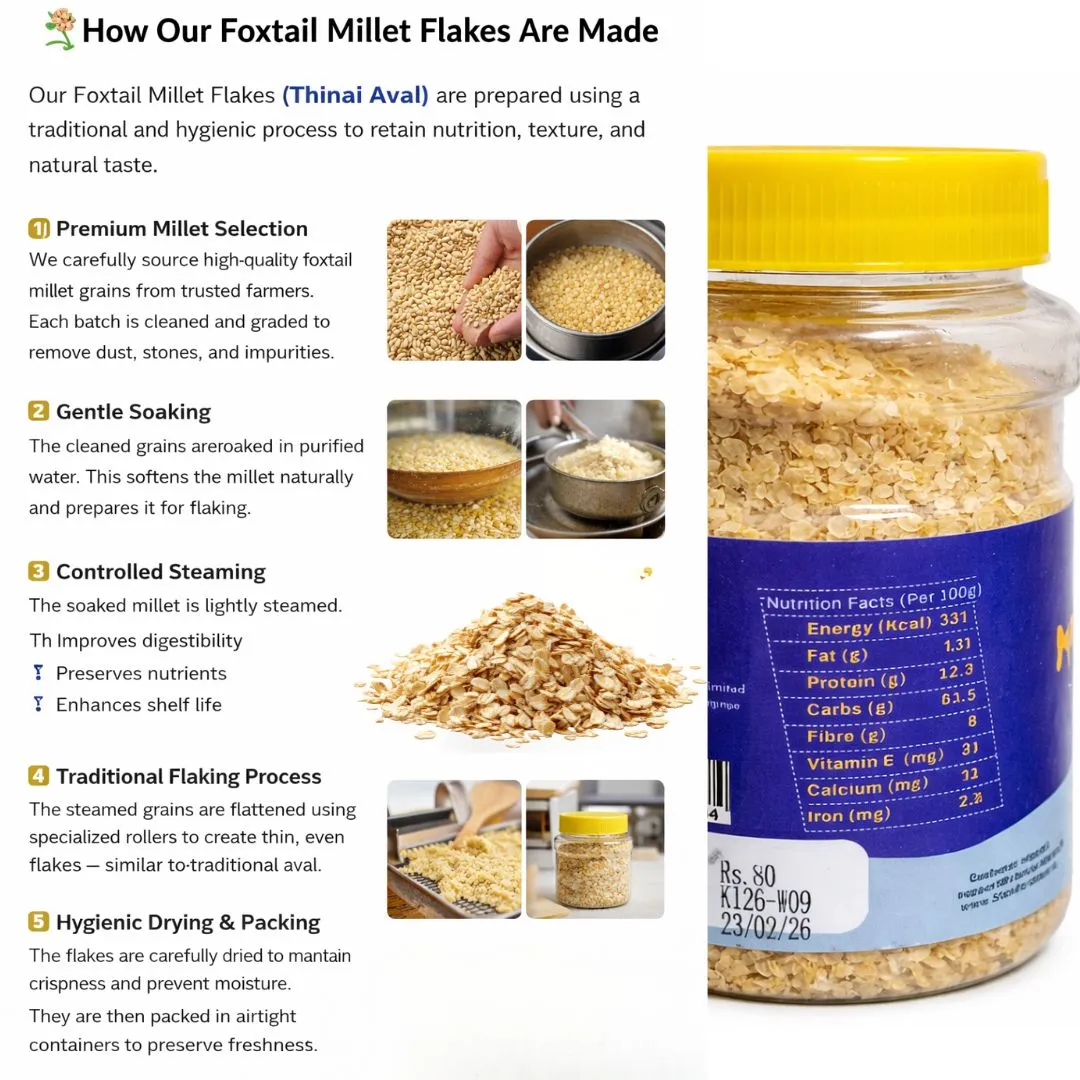
Foxtail millet flakes start with foxtail millet (Thinai) that has been flattened, often lightly roasted, for faster cooking.
The big win is that you get a grain-based breakfast that still brings protein, fiber, and essential vitamins without leaning on refined flour.
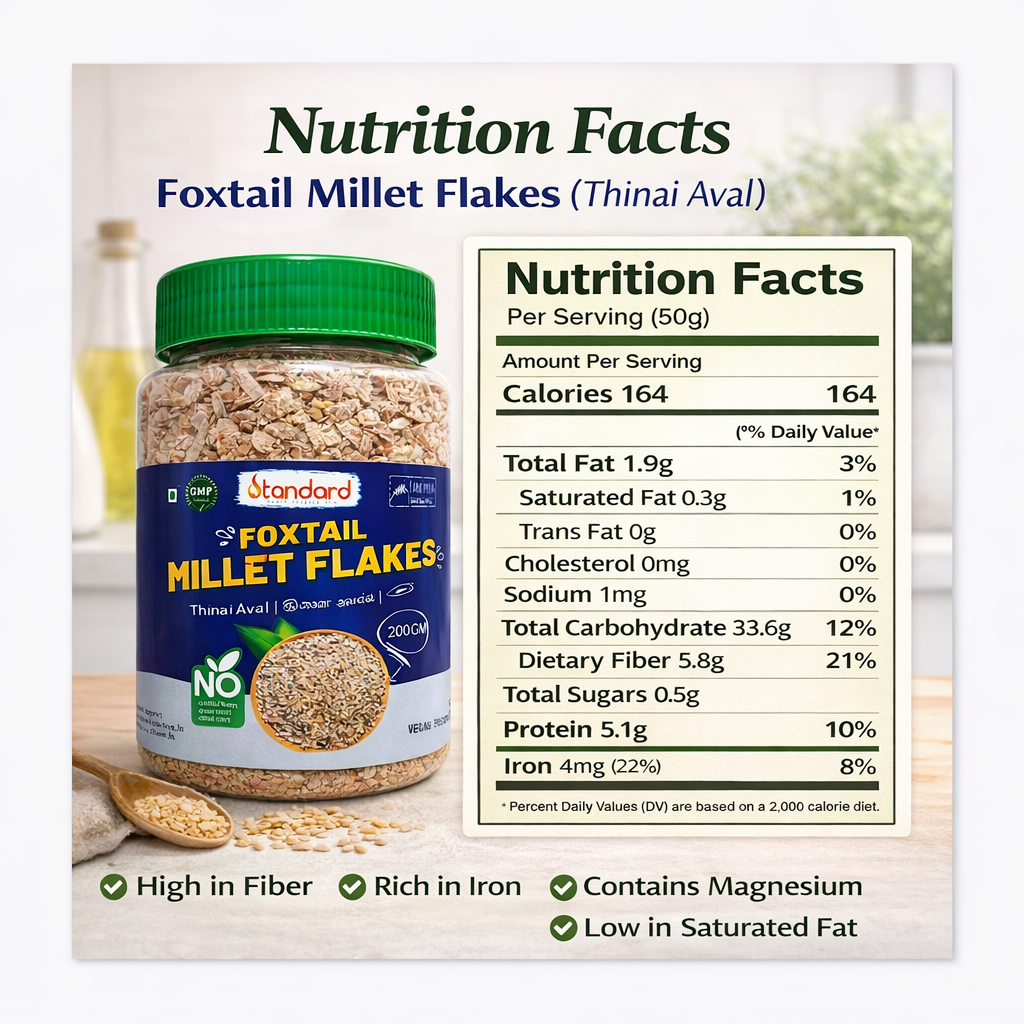
For a quick reality check while shopping, compare the nutrition label on your pack to the reference values from the Indian Institute of Millets Research (values are typically shown for raw grain per 100 g). Processing and roasting can shift numbers slightly, but the pattern usually stays the same.
| Nutrient (per 100 g reference) | Typical value for foxtail millet | What it means for your breakfast |
|---|---|---|
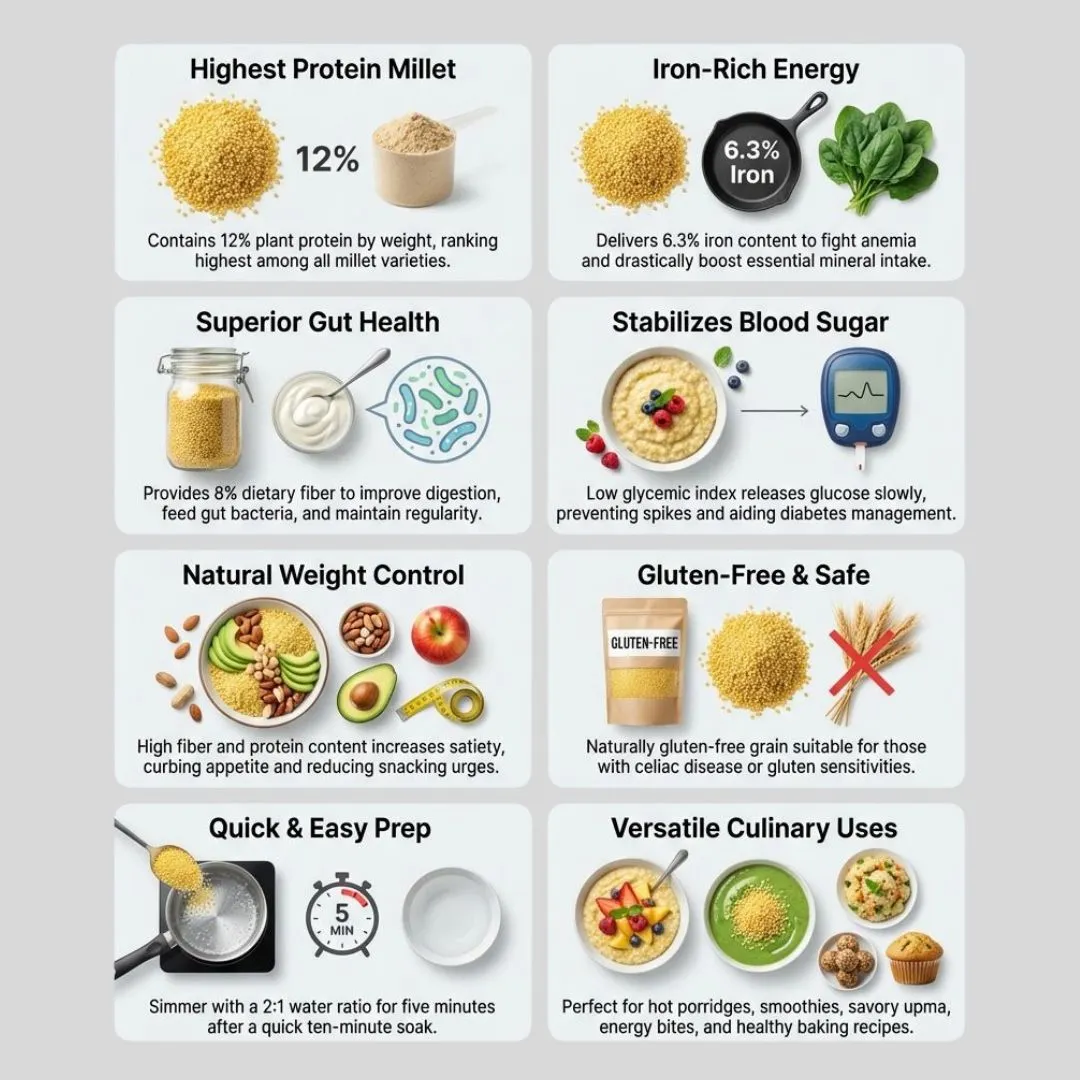
| Protein | About 12.3 g | Helps your meal feel more satisfying than many light cereals. |
| Fiber | About 8 g | Supports fullness and steadier digestion, especially when you add fluids and fruit. |
| Iron | About 2.8 mg | Useful for people trying to lift iron intake through food choices. |
| Calcium | About 31 mg | A small bonus, but not the main reason to choose foxtail over other millets. |
Foxtail millet is one of the higher-protein millets, and that carries into millet flakes if the product is made from 100% foxtail millet.
To turn that protein into a more complete, meal-like breakfast, pair your flakes with one of these add-ons:
Fiber is the reason foxtail millet flakes feel different from many boxed cereals. They can keep you full, and they work well in both sweet and savory breakfasts.
If you want the best texture, treat fiber like a hydration problem: give the flakes enough liquid and time to soften, or they can taste dry and clumpy.
Fiber is the reason foxtail millet flakes feel different from many boxed cereals. They can keep you full, and they work well in both sweet and savory breakfasts.
If you want the best texture, treat fiber like a hydration problem: give the flakes enough liquid and time to soften, or they can taste dry and clumpy.
Try these simple fiber-friendly combos:
When you hydrate millet flakes properly, you get comfort-food texture without relying on refined grains.
Packed with Essential Minerals and Vitamins
Foxtail millet is often valued for iron and B vitamins. Iron supports oxygen transport in the body, and B vitamins help your body use food as energy.
If iron is one of your reasons for choosing Thinai Avul, build the bowl so your body can use it:
- Do add vitamin C: lemon juice, amla, guava, or a small orange on the side.
- Do not follow with tea or coffee right away: many people find it helps to leave a gap after meals when they are focusing on iron intake.
- Choose gentle roasting: light roasting improves aroma, but avoid burning, which can make the flakes bitter.
Health Benefits of Foxtail Millet Flakes
When you switch to foxtail millet flakes, the benefits usually come from two changes: you raise fiber and you cut down on refined grains at breakfast.
That said, outcomes depend on your recipe. A bowl topped with fruit, nuts, and curd behaves very differently from a bowl sweetened heavily with sugar.
Millet flakes bring fiber, which supports regularity and helps you build a more balanced breakfast plate.
If you are new to millets, start with a smaller serving and increase gradually. Some people feel gas or heaviness if they jump from very low fiber breakfasts to high fiber meals overnight.
Two simple digestion-friendly formats tend to work well:
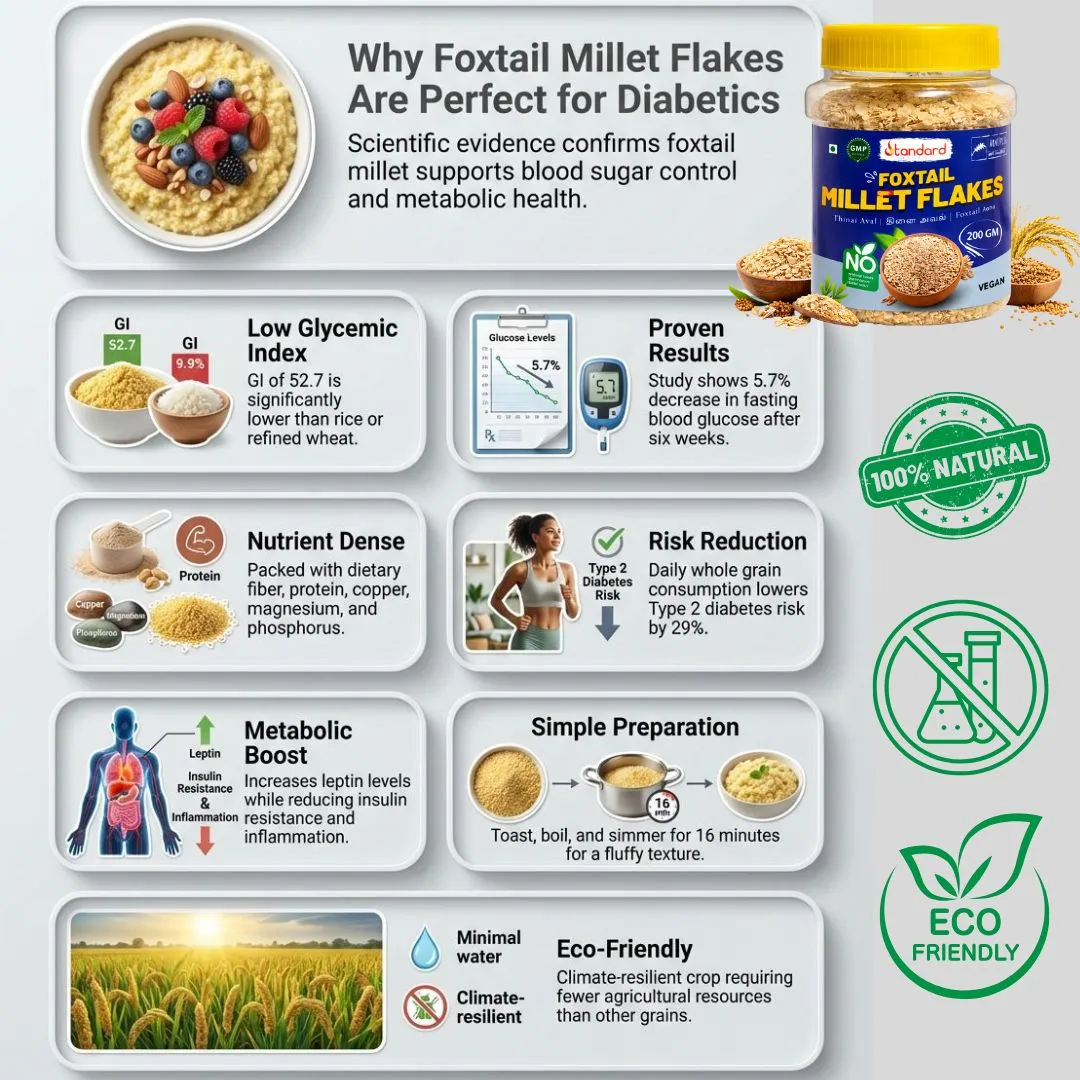
Foxtail millet is often used in diabetes-friendly meal plans because it is fiber-rich and commonly described as lower glycemic than many refined grain options.
In a study published in the Indian Journal of Medical Research, a dosa prepared with foxtail millet showed a glycemic index of about 59, compared with about 78 for a rice dosa. That difference is one reason many people start with familiar dishes like dosa, upma, or poha, then swap the grain.
To keep your bowl steady, use a simple structure:
Foxtail millet flakes can support weight goals because they help you build a breakfast that is filling without being heavy.
The usual mistake is not the flakes, it is what gets added. Large amounts of jaggery, ghee, or frequent snacking on sweet bars can push calories up fast.
If you want a practical routine, try this:
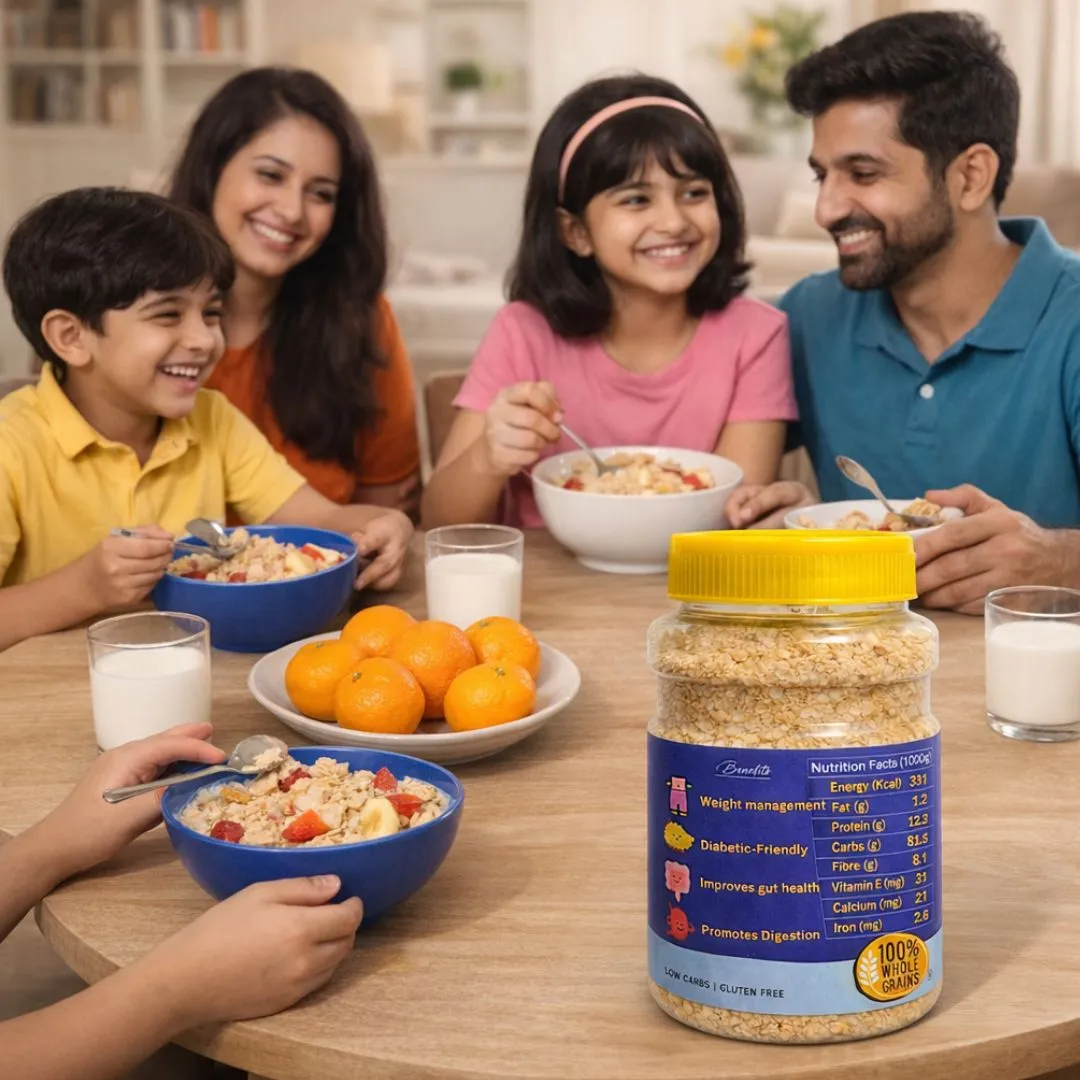
Foxtail millet flakes are flexible. You can treat them like poha, like oats, or like a quick-cooking base for baked goods.
If you keep one airtight container on the counter, they become the kind of ingredient you actually use, not the kind you forget in the back of a cupboard.
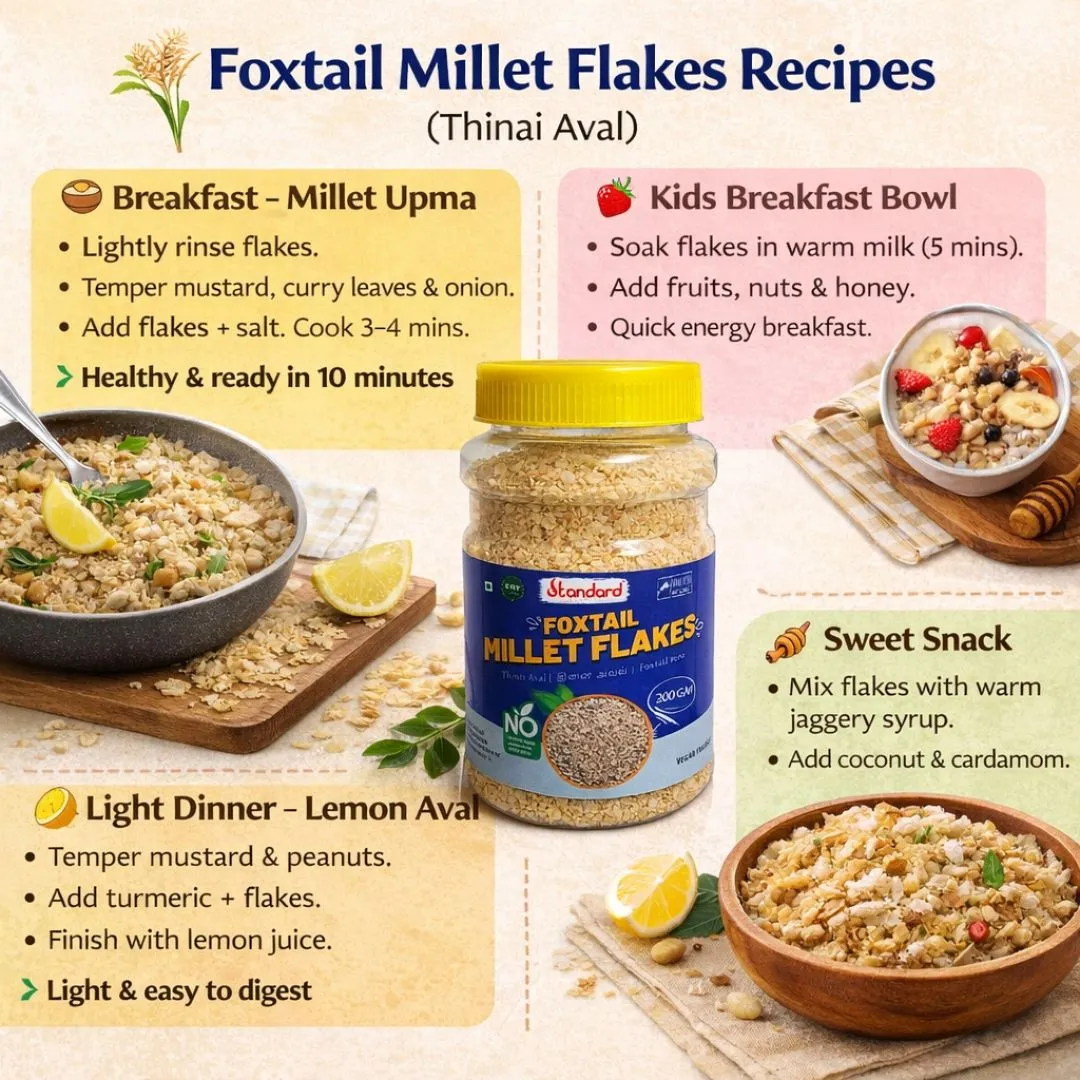
Here are reliable ways to use Thinai Avul in Indian home cooking:
Thinai Avul is one of the easiest ways to make your breakfast cereals more filling without relying on refined grains.
Foxtail millet flakes bring protein, fiber, and useful minerals like iron, plus they fit naturally into porridges, overnight oats, and foxtail millet poha.
Store them in an airtight container, keep your prep simple, and build the bowl with protein and vegetables for the best everyday results.
Foxtail Millet Flakes, called Thinai Avul, are thin, flattened kernels made from foxtail millet, and they work like other cereal flakes. They are whole grain and gluten free, useful for quick meals.
Yes. They give fiber, plant protein, and minerals, and they help keep blood sugar steady, which busts the myth that millets lack nutrients.
Toast the flakes lightly, then simmer in water or milk, about 1 part flakes to 2 parts liquid, until soft. Add salt, spices, fruit, or nuts for taste.
Yes, it can replace them in many dishes, though taste and texture will change. Try it in hot cereal, griddle cakes, batter dishes, or snack mixes.
Save ₹27
(Incl. GST)
Save ₹21
(Incl. GST)
Save ₹11
(Incl. GST)
Save ₹14
(Incl. GST)
Save ₹17
(Incl. GST)
 Purchase this item & get